Storm Season on the Gulf Coast: A Calm Checklist for Condo Owners
September is the heart of hurricane season along the Mississippi Gulf Coast, and for anyone buying a beachfront condo or keeping a second home here, a little quiet preparation goes a long way. Here is a friendly, practical checklist to make storm season feel manageable, not stressful.

No one moves to the Gulf Coast to worry. We come for the sunrise over the Sound, the smell of the salt air, the gentle rhythm of the waves below the balcony. But living here means living with hurricane season, which runs from June through November and peaks in early fall. The good news is that the people who handle it best are rarely the ones with the most elaborate plans. They are simply the ones who did a little thinking ahead, so that when a forecast turns serious, the decision is already made.
Start with the Three Kinds of Coverage
One of the biggest surprises for new beachfront buyers is that coastal Mississippi often requires more than one insurance policy, and they protect different things. Wind and hail coverage frequently has to come through the Mississippi Windstorm Underwriting Association, the state's insurer of last resort for coastal counties like Harrison. Flood insurance is a separate policy entirely, because storm surge is classified as flooding rather than wind, and it is not covered by wind, homeowners, or the building's master policy. Then there is an HO-6 policy for your own unit's interior and belongings, which works alongside the association's master policy that covers the shared structure, hallways, and elevators.
Before June each year, it is worth sitting down with your agent to confirm all three are in place, that your coverage limits still make sense, and that you understand your wind deductible. It is not the most exciting afternoon of the year, but it is the one that lets you sleep through a storm watch.
Know Your Building's System
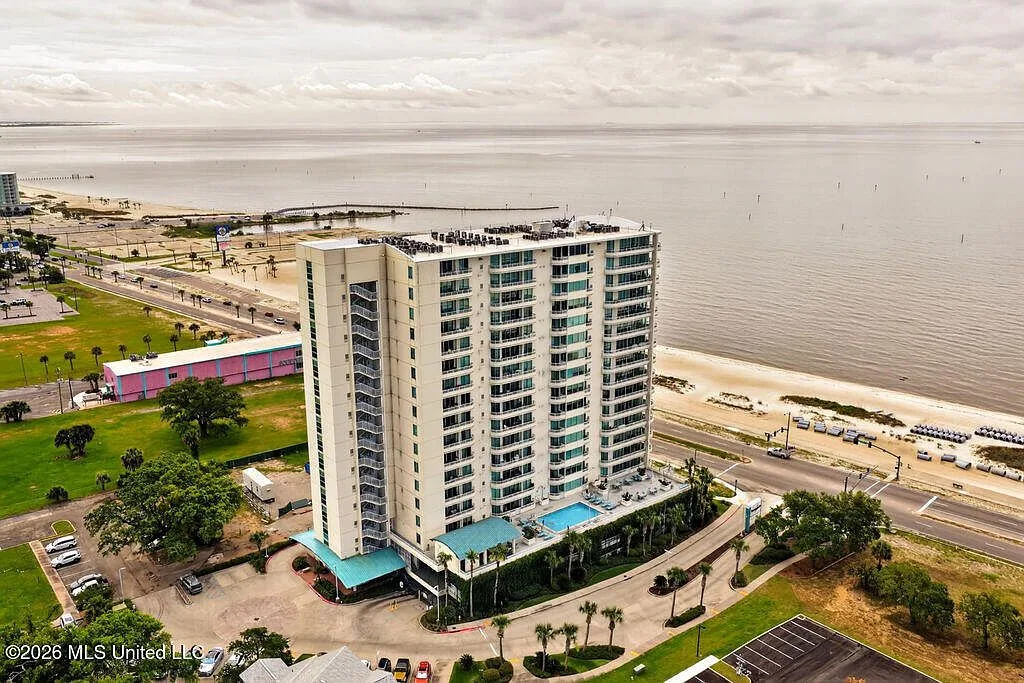
In a high-rise like the Ocean Club, storm protection is a team effort. Many condo associations set standards for shutters, impact-resistant glass, and who installs what, so the very first step is a quick conversation with building management about the unit's protections and the association's procedures. That one phone call saves a lot of guessing later.
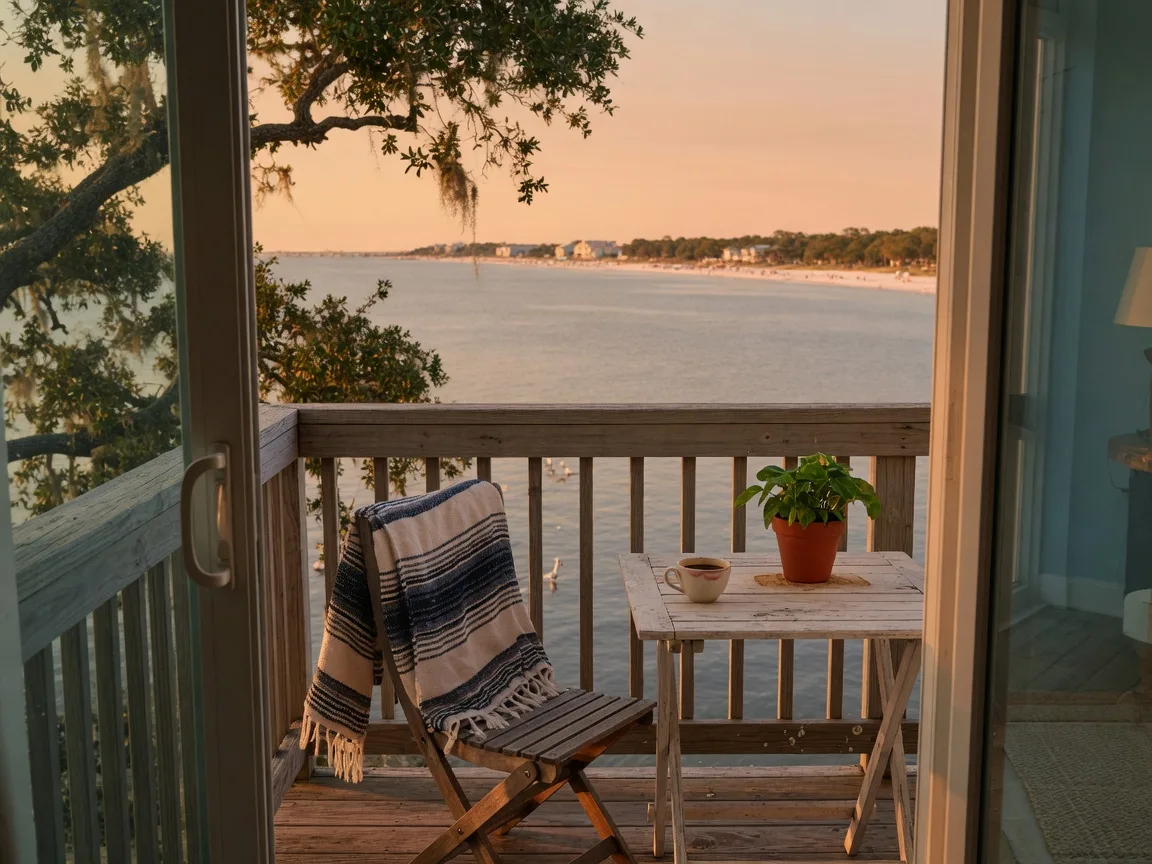
From the owner's side, the everyday rules are simple: bring balcony furniture, potted plants, and anything loose inside before a storm is near. On a twelfth-floor wraparound balcony, that folding chair and those planters are lovely in fair weather and become something you do not want in the wind otherwise. For upper-floor coastal buildings, evacuation is the priority when a serious storm threatens, because surge can arrive faster than people expect. Know your evacuation zone before you need it, and leave when officials direct.
The 'First 72 Are on You' Mindset
Mississippi emergency officials like to remind everyone that the first seventy-two hours after a storm are on you. That is not meant to scare anyone, it is just the practical truth of a coast where help can take a few days to arrive. It simply means keeping a few days of supplies ready: water, nonperishable food, batteries, phone chargers, and any medications. A small go-bag with insurance cards, IDs, and important documents in a waterproof container makes a huge difference.
For second-home owners who are not on the Coast when a storm forms, the routine looks a little different. It is about the relationship you keep with your property manager and neighbors, a way to check on the unit, and a simple inventory of what is inside so a claim is easy to file. Store a copy of that inventory offsite, in your phone or a secure folder online, and it takes a stressful moment and turns it into paperwork.
Why Preparation Makes Beachfront Living Easier
Here is the thing about doing this work ahead of time: it is what frees you to actually enjoy the coast the other ten and a half months of the year. The owner who has talked to management, reviewed their three policies, and packed a small go-bag does not spend September checking forecasts with a knot in their stomach. They read the weather, nod, and get on with their day, because the plan already exists.
A unit like this one at the Ocean Club is built for exactly that kind of low-drama ownership. Floor-to-ceiling windows flood the living area and primary suite with light and Gulf views, and the wraparound balcony is a year-round joy in fair weather. And because the HOA allows the guest suite to be rented separately, or the whole residence as a short-term rental, an owner can share the coast with visitors while still keeping the condo their own calm retreat.
The Bottom Line
Storm season does not have to define life on the Gulf Coast. A few straightforward conversations and a small amount of yearly maintenance are enough to take the worry out of it, leaving the mornings and sunsets and long beach walks to do what they do best. For anyone thinking about making this coast their home, whether full time or as a second home, seeing a unit like 2060 Beach Blvd #1204 is a great way to picture how it all fits together.
If you would like to walk through the Ocean Club and ask a few questions about what beachfront ownership really involves, Judy Atherton would be glad to show you around. Reach out to schedule a tour, and come see how calm life on the Mississippi Sound can feel.

Judy Atherton
eXp Realty · Mississippi License B-14728